LUCY LETBY CASE: THE SUN’S NEW INVESTIGATION RAISES FRESH QUESTIONS ABOUT HOSPITAL FAILURES AND EXPERT EVIDENCE
A new investigation by The Sun and Channel 5 has reignited debate over Lucy Letby’s convictions, examining disputed medical evidence, testimony from an anonymous insider and concerns about conditions inside the hospital where seven babies were m𝑢rdєred and others were targeted. But the latest revelations have not overturned the verdicts.
A case that has haunted Britain for years is once again under intense scrutiny.
A new investigation by The Sun and Channel 5 has revisited the case of former neonatal nurse Lucy Letby, exploring whether serious failures within the hospital and alternative medical explanations received sufficient attention during the investigation and trials.
The programme features an anonymous insider and expert analysis challenging aspects of the prosecution’s case. Its central question is whether wider problems on the neonatal unit were fully understood—or whether the focus on one nurse left other questions insufficiently explored.
For those who have followed the case, the renewed scrutiny raises difficult questions about medical evidence, institutional responsibility and how complex clinical events are interpreted in a criminal courtroom.
But questions and allegations must be carefully distinguished from proven facts.
 THE CLAIMS THAT HAVE REIGNITED THE DEBATE
Letby was convicted of murdering seven babies and attempting to murder seven others at the Countess of Chester Hospital between 2015 and 2016. She continues to deny the offences.
The new investigation examines whether medical circumstances surrounding the babies’ deaths and collapses were interpreted correctly, and whether alternative explanations deserved greater consideration.
Some critics of the convictions have argued that the medical evidence should be reassessed by independent specialists. Others maintain that the convictions were supported by the evidence presented at trial.
The existence of disagreement does not establish that evidence was deliberately concealed or that hospital management arranged for Letby to take the blame. Those are serious allegations that require specific supporting evidence.
HOSPITAL FAILURES ARE NOW PART OF THE OFFICIAL RECORD
There is, however, no question that serious institutional failures occurred.
The Thirlwall Inquiry, which published its final report in September 2026, identified major shortcomings in management, governance, communication and safeguarding at the Countess of Chester Hospital.
The inquiry found that hospital leaders failed to respond appropriately to concerns raised by clinicians and that safeguarding procedures were not activated when they should have been. It also concluded that earlier action could have prevented some of the subsequent crimes.
These findings expose significant failures in the hospital’s response to the unfolding crisis. However, the inquiry was not a retrial and did not reassess the detailed evidence used to convict Letby. Its conclusions did not overturn her convictions.
That distinction is crucial: evidence of institutional failure can warrant accountability without, by itself, proving that a criminal conviction was wrong.
 COULD THE CONVICTIONS FACE FURTHER SCRUTINY?
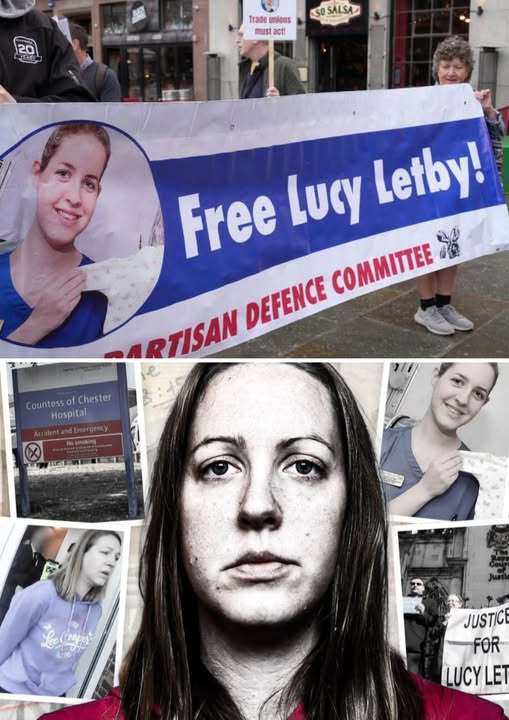
Letby’s legal team has continued to seek a review of her case through the Criminal Cases Review Commission, the independent body that investigates potential miscarriages of justice.
Two previous applications for permission to appeal were rejected. The commission’s review is a separate process, and any referral back to the Court of Appeal would not automatically mean that a conviction had been overturned.
Meanwhile, the new documentary adds to the public discussion about the reliability and interpretation of the medical evidence. Whether its claims could affect the legal outcome depends on the evidence itself and the applicable legal standards.
THE QUESTIONS THAT REMAIN
For the families of the babies involved, the case is not an abstract debate. It concerns children who died or suffered serious harm, and parents who deserve answers about what happened.
The public also has a legitimate interest in understanding how hospital concerns were handled, how medical evidence was assessed and whether safeguards failed.
Any credible new evidence should be examined carefully. At the same time, claims of deliberate concealment or a coordinated cover-up should not be treated as established without proof.
The debate surrounding Lucy Letby is far from settled in the public arena. But the most important questions must be answered through evidence, independent scrutiny and due process—not sensational headlines alone.