Insulin was the count that did not depend on a doctor’s reading of a collapse. Prosecutors told the jury that two boys, known in court as babies F and L, had blood results showing high insulin and low C-peptide, a pattern they said could not be produced by the body and could not be an accident. Nicholas Johnson KC said there was no doubt these were poisonings. The endocrinologist Peter Hindmarsh estimated that a fraction of a millilitre in a feed bag would do it. The unit’s insulin log showed no matching theft. Prosecutors said that did not matter, because the volume required was too small to notice. Those two allegations became the forensic spine of a case that was otherwise circumstantial. Retired detective Stuart Clifton, who worked on the Beverley Allitt insulin poisonings, later told The Sun that if those two cards were pulled out, the house of cards would fall.
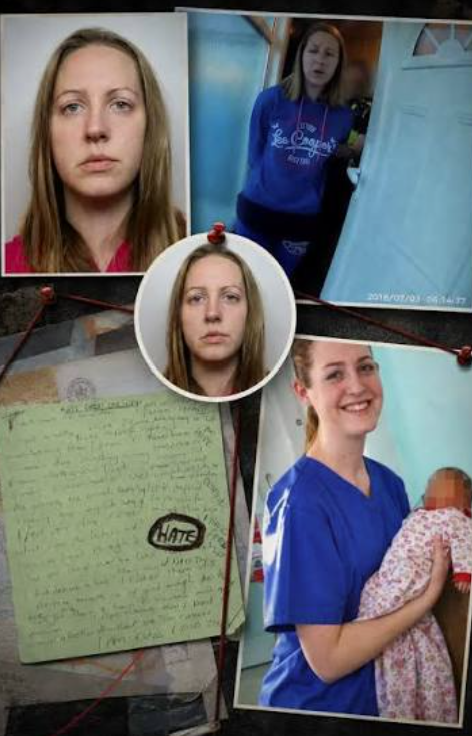
In February 2025 a different kind of doubt arrived. Geoff Chase, a professor of bioengineering at the University of Canterbury in New Zealand who works on insulin dynamics in preterm babies, and Helen Shannon, a British chemical engineer, produced a report running to about 100 pages. They argued that the Roche immunoᴀssay used at Liverpool Clinical Laboratories was a screening test, not a forensic ᴀssay, that it is known to read falsely high when antibodies interfere, and that the laboratory’s own guidance said it should not be used alone to investigate hypoglycaemia from an injected dose. They also argued that insulin sticks to bags and lines, so a much larger volume than the one described in court would have been needed to produce the recorded effect, and that no such volume was missing. Shannon said there was no scientific justification for the claim of certainty.
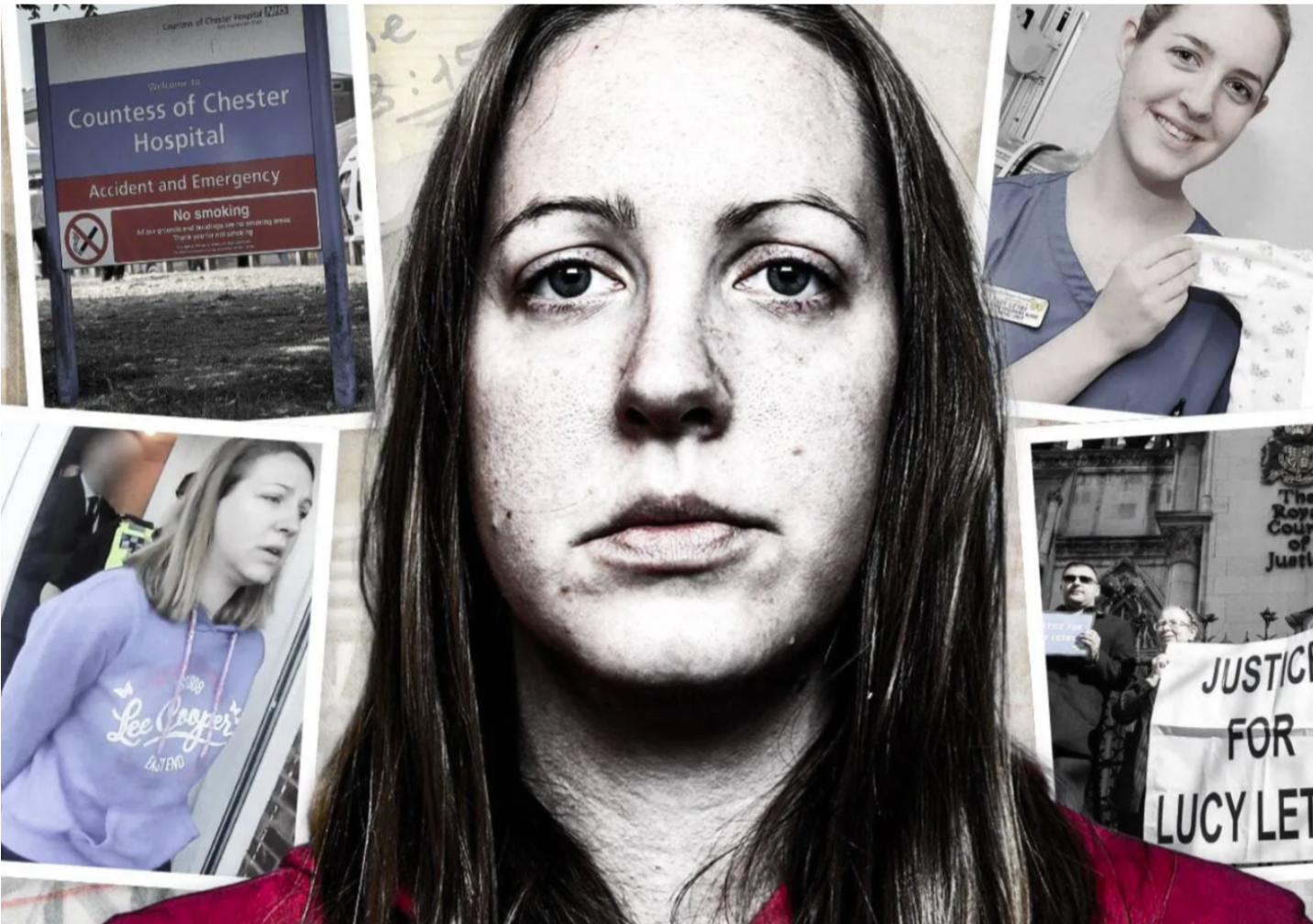
A separate group of paediatric and toxicology specialists told reporters the ᴀssay should not have been used without confirmation by a more specific method, such as mᴀss spectrometry. Chase and Shannon told The Guardian they still thought it very unlikely the two babies had been poisoned, and spoke of a very strong level of reasonable doubt. The BBC, after its own interviews, reached a more cautious conclusion: immunoᴀssay is usually accurate, interference is uncommon, and two wrong tests months apart would be rarer still. The dispute is live, not settled.
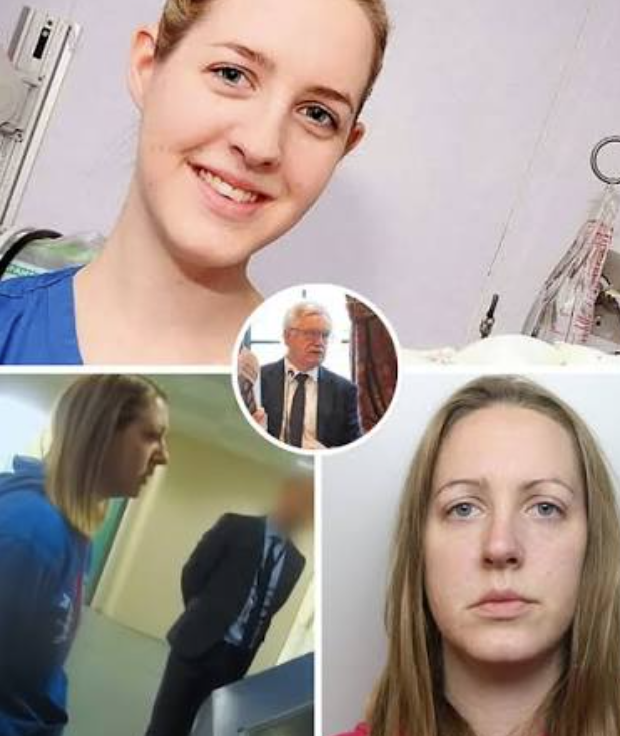
Then, on 14 September 2026, the day before the Thirlwall report, Chase and Shannon withdrew from the defence team. In a letter to the Criminal Cases Review Commission they said some of the further arguments being put on Letby’s behalf were inconsistent with the evidence, the science and established physiology, and that continuing to be ᴀssociated with those arguments would breach professional engineering codes in New Zealand and Britain and expose them to sanction. They said the strategy was placing Letby’s long-term interests at serious and unnecessary risk, and that the consequences extended to the families. They did not withdraw the insulin opinion. They refused to sign the rest. McDonald answered that the case does not stand or fall on any one expert, and that other specialists in insulin, endocrinology and laboratory medicine had identified fundamental problems with the science the jury was invited to accept. A separate claim, aired by The Sun around a documentary тιтled Lucy Letby: Scapegoat?, is that 14 normal glucose readings for baby F around the time of the alleged poisoning were left out of the original police report and did not appear in the prosecution log. One reading included at trial was later said to have been recorded in the notes as 2.8, a normal sugar. Clifton said a baby with normal blood sugar is not receiving insulin. That claim has not been tested in court.
The oddity of the file, as it now sits with the commission, is that the two people who did the most detailed engineering work against the insulin counts still think poisoning is very unlikely, and have still refused to travel any further with the defence.
Source: New York Post