A California ticket reseller allegedly snapped up more than $1 billion worth of tickets to Beyoncé, Post Malone and other major concerts and events, making it harder for fans to score seats without paying sky-high prices — and now the company faces a bombshell federal lawsuit.
San Diego-based REPS & Company, which describes itself as a “data and technology centric company in the entertainment industry,” was sued Thursday in a complaint from the Department of Justice and the Federal Trade Commission.
REPS allegedly purchased more than the ticket limit, usually set at four to eight tickets per buyer, for at least 83,500 events between January 2022 and October 2025, according to the complaint obtained by the California Post.


Many of the events were in high demand, including concerts from Beyoncé, Luke Bryan and Post Malone.
REPS also purchased tickets for music festivals, stand-up comedy shows, professional and collegiate sporting events, rodeo competitions, Broadway shows, and touring theater productions.
The company spent more than $1.3 billion to amass more than 18.5 million tickets for those events, generating at least $120.8 million in profit by reselling them on platforms like Stubhub, SeatGeek and other secondary marketplaces, prosecutors claimed.
Secondary ticket marketplaces allow sellers with verified tickets to resell their tickets to the public at prices of their choosing.
REPS allegedly generated $833,000 in profit by using 1,300 accounts to purchase 7,624 tickets to just one Beyoncé Renaissance tour show in Kansas City in 2023, the FTC said.
At least 700 accounts purchased 5,430 tickets for a Pitbull concert in Syracuse, New York in 2024, prosecutors said, REPS then allegedly resold those tickets for $120,109 in profit.



The company and its executives — CEO Ryan Pancheri, President Brian Archibald and COO Nicholas Totagrande — are accused of violating the the Better Online Ticket Sales Act, which outlaws anyone from circumventing a website’s online limits on the number of tickets purchased.
The lawsuit seeks to prohibit REPS from violating FTC regulations in the future, impose civil penalties and award monetary relief.
“The Justice Department is committed to holding accountable individuals and businesses that drive up the cost of event tickets by illegally exceeding ticket purchase limits and reselling those unlawfully obtained tickets with exorbitant markups,” said Assistant Attorney General Brett A. Shumate of the Justice Department’s Civil Division.
“Working alongside the FTC, we will continue to enforce the BOTS Act to protect consumers from such conduct,” he continued.
The company specifically sought out tickets for which the resale price was expected to highly exceed the original price, according to the complaint.
REPS allegedly used analytics software and data scraping to track information such as artists’ popularity and tour information, and then employees monitored resale trends to determine which events are likely to sell out and what tickets are likely to be the most profitable.
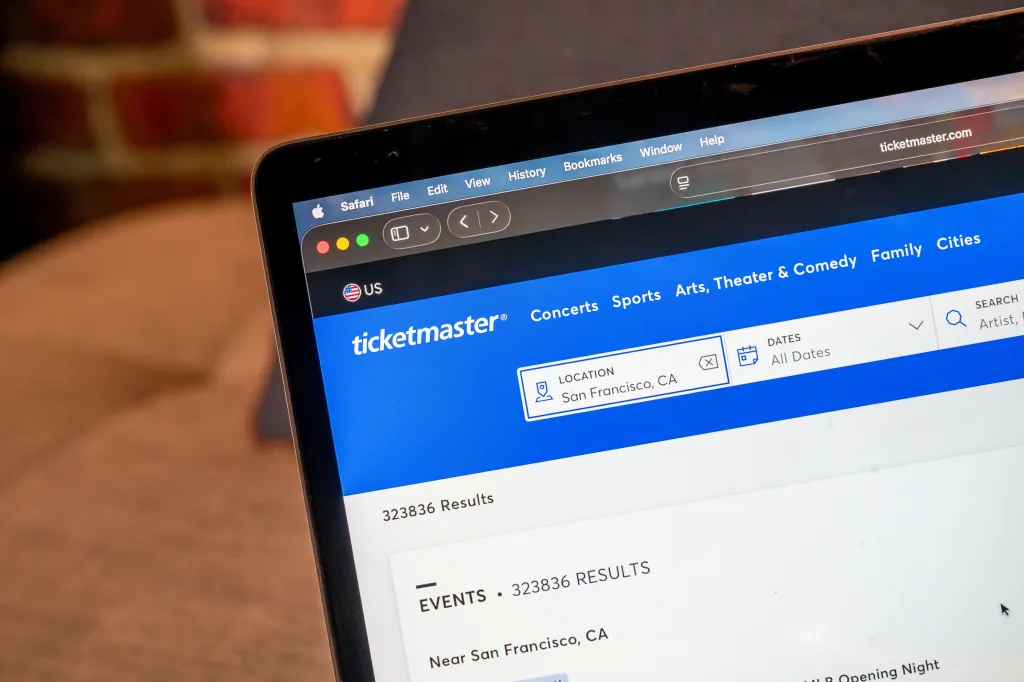
The company bypassed ticket-purchasing limits on Ticketmaster and other sites by using a team of mostly Philippines-based employees to purchase tickets through accounts created with names, addresses or phone numbers belonging to other people, the feds claimed.
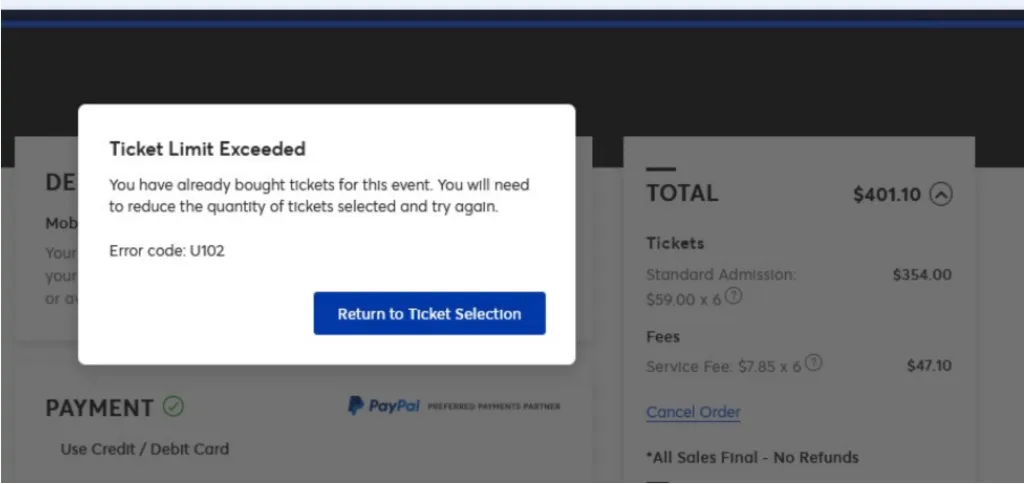
“REPS’ entire business model is focused on trying to game the ticket-purchasing system in order to obtain as many tickets as possible to resell at inflated prices to consumers,” said Christopher Mufarrige, director of the FTC’s Bureau of Consumer Protection.
The company allegedly used IP proxy services and multi-session browsers that mask the identity and location of the account user.
REPS allegedly used employees’ and third-party partners’ names and addresses to create multiple ticketing accounts — averaging 19 per person and as many as 40 under a single identity, according to the complaint.
Employees even relied on an “error bible” detailing how to bypass Ticketmaster’s security controls, while the company allegedly used thousands of SIM cards and virtual credit cards to evade restrictions and create more accounts.
Internal documents obtained by the feds revealed that the company strives to “maximize purchasing efficiency” by “ensuring that accounts in use are less likely to be flagged, allowing for smoother and faster transactions.” REPS allegedly tested on a routine basis which type of accounts were likely to be flagged.
“Defendants’ actions injured consumers who otherwise may have been able to purchase those tickets in the first instance from ticket issuers at lower prices,” the complaint read.
The California Post contacted REPS for comment.
California lawmakers have attempted to crack down on shady ticket selling practices, including introducing two bills this year that would ban speculative sales for seats that sellers don’t actually own and cap resales at 10%. Both faced scrutiny for potentially favoring Ticketmaster.
The first bill was signed into law, while the latter was killed.
Download The California Post App, follow us on social, and subscribe to our newsletters
California Post News: Facebook, Instagram, TikTok, X, YouTube, WhatsApp, LinkedIn
California Post Sports Facebook, Instagram, TikTok, YouTube, X
California Post Opinion
California Post Newsletters: Sign up here!
California Post App: Download here!
Home delivery: Sign up here!Page Six Hollywood: Sign up here!