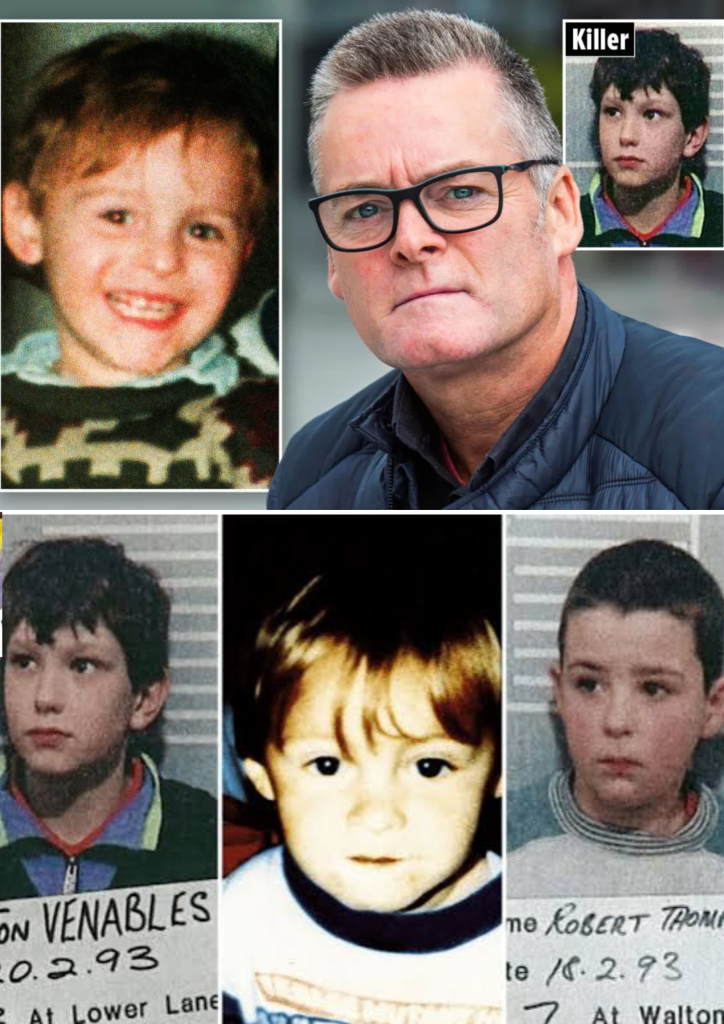
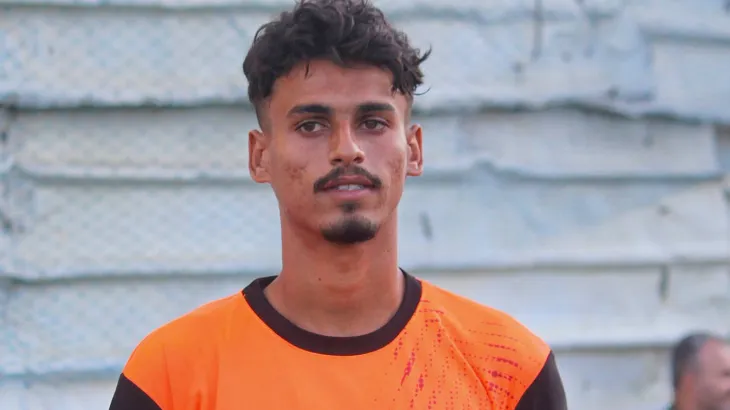
In the rubble-strewn streets of Gaza, where football pitches have become refugee camps and stadiums lie in ruins, a 20-year-old stood as a beacon of defiance. Mahmoud Kamal Fares Abdel-Malek—captain and first-team goalkeeper of Gaza Sports Club—was more than a player. At an age when most chase dreams on pristine pitches, he embodied resilience: a “club legend” who pulled on the gloves to honor the ᴅᴇᴀᴅ.
Five days after starring in the final of the Thousand Martyrs Cup—Gaza and Northern Gaza division—where his side finished runners-up, Abdel-Malek was killed. An Israeli airstrike targeted Maghrabi (Al-Maghribi) Street in the Sabra neighborhood of southern Gaza City on Tuesday. The Palestinian Football ᴀssociation (PFA) confirmed it. His club announced on social media: “Club legend and goalkeeper of the first team Mahmoud Kamal Fares Abdel-Malik was martyred moments ago.”
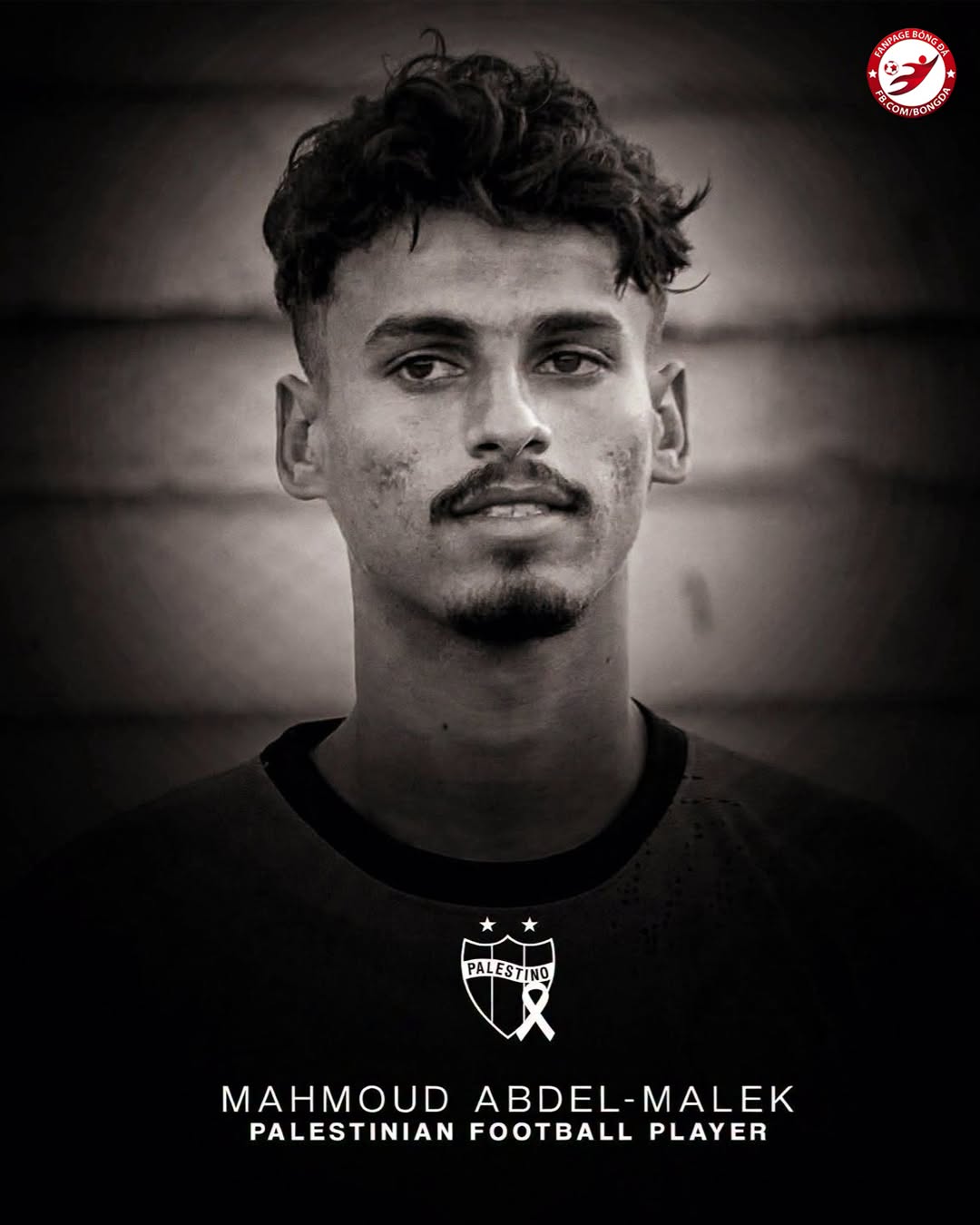
He became the 1,017th person involved in Palestinian sport killed since October 2023, according to PFA figures that include players, coaches, referees, and officials (not independently verified). The Thousand Martyrs Cup itself was named for the more than 1,000 athletes and sports officials lost by late summer. Launched on September 4 with over 200 clubs—146 from the West Bank, 44 from Gaza, 36 from Lebanese refugee camps—it marked the first organized Palestinian club compeтιтion in nearly three years. Matches kicked off simultaneously across fractured geographies. PFA President Jibril Rajoub framed it as proof that Palestinians had not lost their “national will” or belief “that sport will remain a symbol of hope and life.”
Abdel-Malek played in that final, a rare moment of joy and resistance amid destruction. Al Jazeera covered the event. Days later, the keeper who guarded the goal for the fallen was gone. The timing is brutal poetry: he competed to remember 1,000+ martyrs, then joined them.
This is no isolated tᩚraɢedy. Just days earlier, Israeli forces sH๏τ ᴅᴇᴀᴅ 15-year-old Mohammad Nidal Barbak (or Barbakh) while he played football with friends in al-Mawasi, Khan Younis. Earlier victims include national team forward Suleiman al-Obeid (killed waiting for aid) and Olympic coach Hani al-Masdar. Palestinian sports officials describe an “existential” crisis: more than 50 of Gaza’s 56 sports clubs destroyed, about 20 FIFA-supported five-a-side fields ruined, stadiums bulldozed or turned into tent cities for the displaced. Around 90% of stadiums gone.
The PFA has repeatedly urged FIFA to suspend the Israel Football ᴀssociation, citing discrimination cases, player killings, and infrastructure obliteration. Rajoub has insisted on expulsion from international bodies. Yet FIFA’s response remains muted, even as the body funds some of the very pitches now rubble. Social media and reports amplify the outcry: posts from outlets like Al Jazeera English and Anadolu highlight the absurdity of a player dying so soon after a tribute tournament, while Israel continues in global compeтιтions.
Sport has long claimed sacred status—a neutral space, Olympic truce ideal, unifier across divides. In Gaza, it became something fiercer: a refusal to surrender humanity. Players train among ruins, kids kick balls in streets or camps, clubs field teams for the Thousand Martyrs Cup as an act of national will. Abdel-Malek, gloves on, captain’s armband, embodied that. “We are a people who must live,” the return of football declared.
But when airstrikes hit neighborhoods and young athletes fall—whether targeted as the PFA states or as part of broader operations with no immediate Israeli military comment—the question sharpens. Is the pitch still a sanctuary of life, hope, and equality? Or has war reduced it to just another target, another casualty statistic in a conflict that has claimed over 74,000 Palestinian lives and injured nearly 176,000 by health ministry counts?
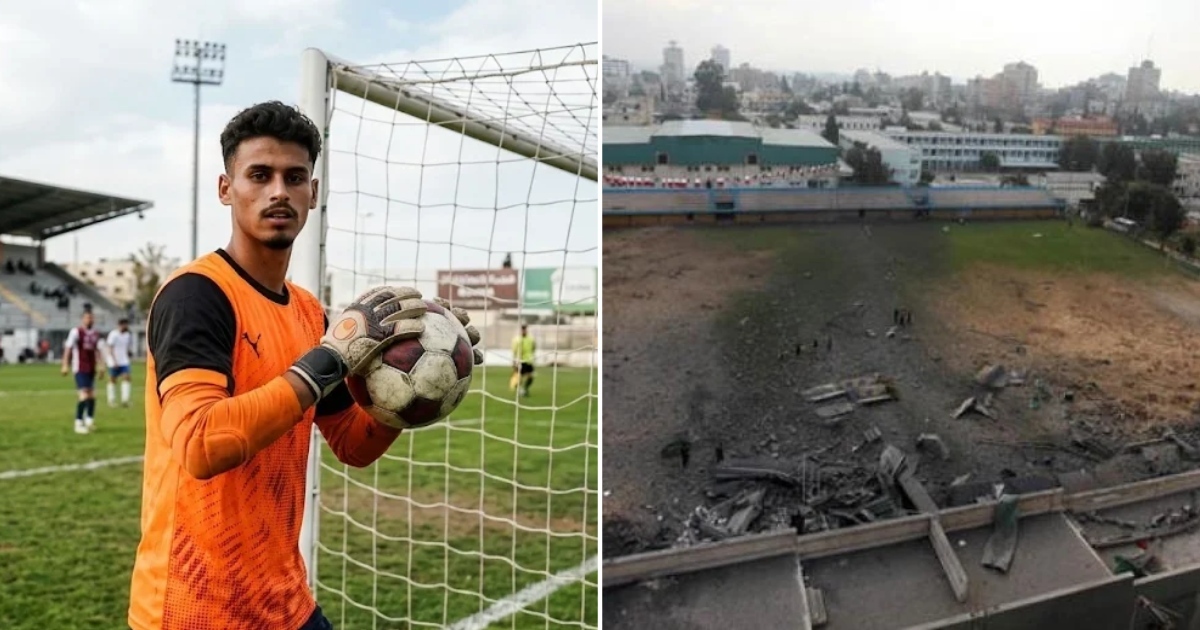
Abdel-Malek’s story cuts deep because it collapses the distance between tribute and tᩚraɢedy into five short days. He played to honor the fallen. Then the sky fell on Sabra. Palestinian football persists in defiance—matches under impossible conditions, calls for accountability ringing out. Yet each new name on the list, each ruined club, tests the claim that sport transcends the gun.
At 20, a captain and legend. Goalkeeper for the living and the ᴅᴇᴀᴅ. His dєatᩚh forces the world of football—and beyond—to confront whether the beautiful game remains a symbol of life, or whether, in places like Gaza, it has become one more frontline. The gloves are empty. The question hangs in the air like dust after the strike. Sources: Palestinian Football ᴀssociation statements and club social media posts; reporting by Al Jazeera, The New Arab, and others.