LUCY LETBY’S PRISON CONDITIONS SPARK CONTROVERSY — WHAT IS REALLY HAPPENING BEHIND BARS?
ASHFORD, ENGLAND — The prison life of convicted child murderer Lucy Letby has come under renewed scrutiny after fresh claims from a former inmate described her daily routine inside HMP Bronzefield.
The reports have reignited debate over whether one of Britain’s most notorious prisoners receives special treatment — and how much of what is being said about her conditions can actually be confirmed.
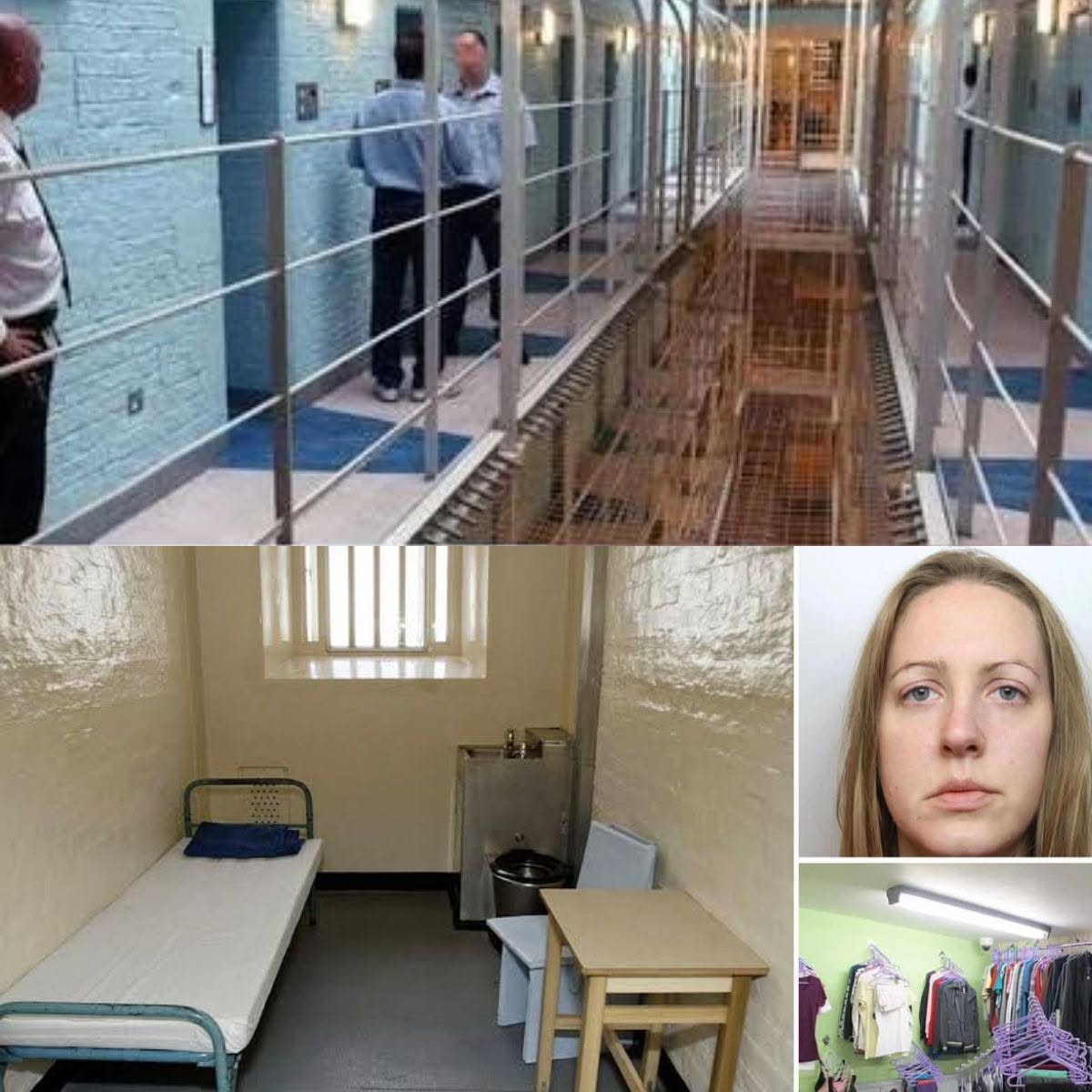 DVD NIGHTS AND WORK IN THE PRISON CANTEEN
According to an account published by The Sun and reported by The Independent on November 1, a former inmate claimed that Letby spends much of her time alone, watching DVDs and keeping to herself.
The source also alleged that she had previously worked in the prison laundry before taking on a role serving food in the canteen.
The former inmate described Letby as quiet and withdrawn, saying she generally avoids social activities organised inside the prison, including talent shows.
The same account claimed that prisoners in the unit where she is reportedly housed have rooms with private bathrooms. However, these details come from a former prisoner’s account and have not been independently confirmed as a complete description of Letby’s individual conditions.
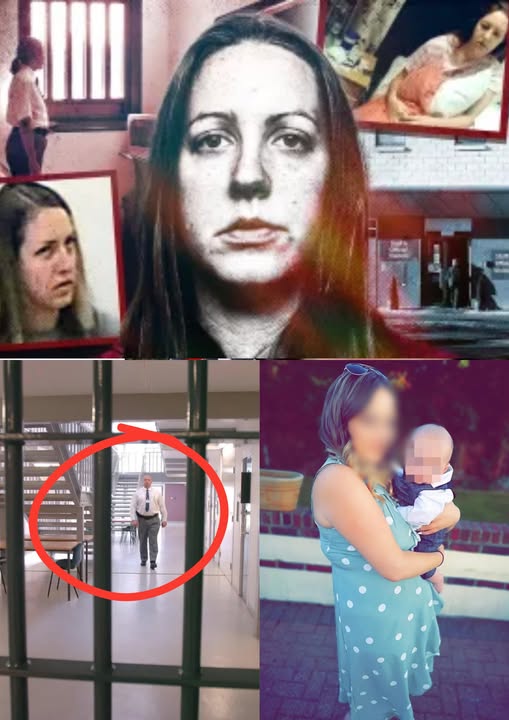 CLAIMS OF SPECIAL PRIVILEGES
The latest reports have also revived earlier allegations about special arrangements for high-profile prisoners.
Some accounts have claimed that Letby and another high-profile inmate were allowed private access to the prison’s hair and nail salon, with certain areas reportedly restricted to other prisoners during appointments.
These allegations have fuelled speculation about preferential treatment inside the facility.
However, claims of regular private salon appointments, monthly pampering sessions or prison officers treating Letby like royalty have not been independently established. They should not be presented as confirmed facts.
There is also an important distinction between additional security measures and personal privileges. High-profile prisoners may require supervised movements or other precautions because of the risk of confrontation, but that alone does not prove they are receiving luxury treatment.
WHY HER PRISON LIFE ATTRACTS SO MUCH ATTENTION
Letby is serving 15 whole-life sentences after being convicted of murdering seven babies and attempting to murder seven others while working as a neonatal nurse at the Countess of Chester Hospital.
She has consistently maintained her innocence, and her legal team has sought further review of the convictions through the Criminal Cases Review Commission.
Her case continues to attract intense public attention, not only because of the crimes for which she was convicted, but also because of ongoing questions surrounding the evidence and the legal review process.
WHAT IS ACTUALLY KNOWN?
For now, the latest picture of Letby’s life behind bars relies largely on accounts from former prisoners rather than an official, detailed account from the prison.
Reports of DVD watching, canteen work and private bathroom facilities have been attributed to a former inmate. More dramatic claims about exclusive salon visits and special treatment remain unverified.
The controversy raises a wider question about how prisons should balance security, order and fairness when housing prisoners whose cases have attracted extraordinary public attention.
But separating confirmed information from rumour remains essential when discussing what happens behind the walls of HMP Bronzefield.