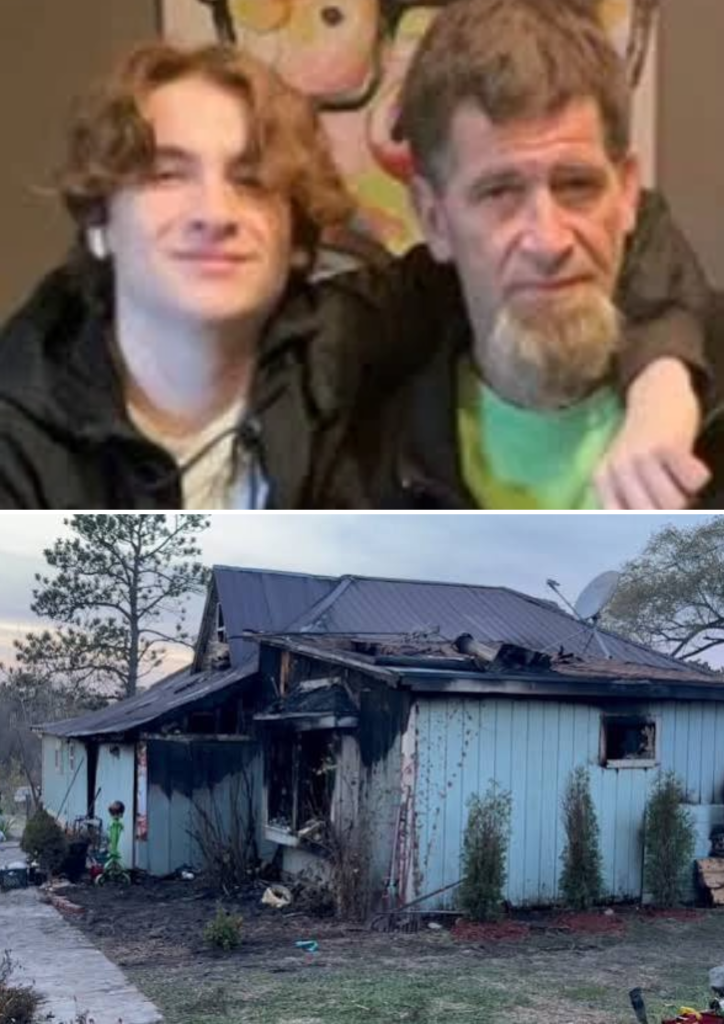
Last Friday, a federal jury handed down a guilty verdict in the second trial of Jonathan Rinderknecht, finding that the lost, lonely Uber driver had indeed committed arson on the mountains above Pacific Palisades in the early hours of New Year’s Day 2025.
Rinderknecht lit dry brush on the mountainside, then called 911. The fire he set, known as the Lachman Fire after the name of a well-known street nearby, consumed about eight acres before being contained.
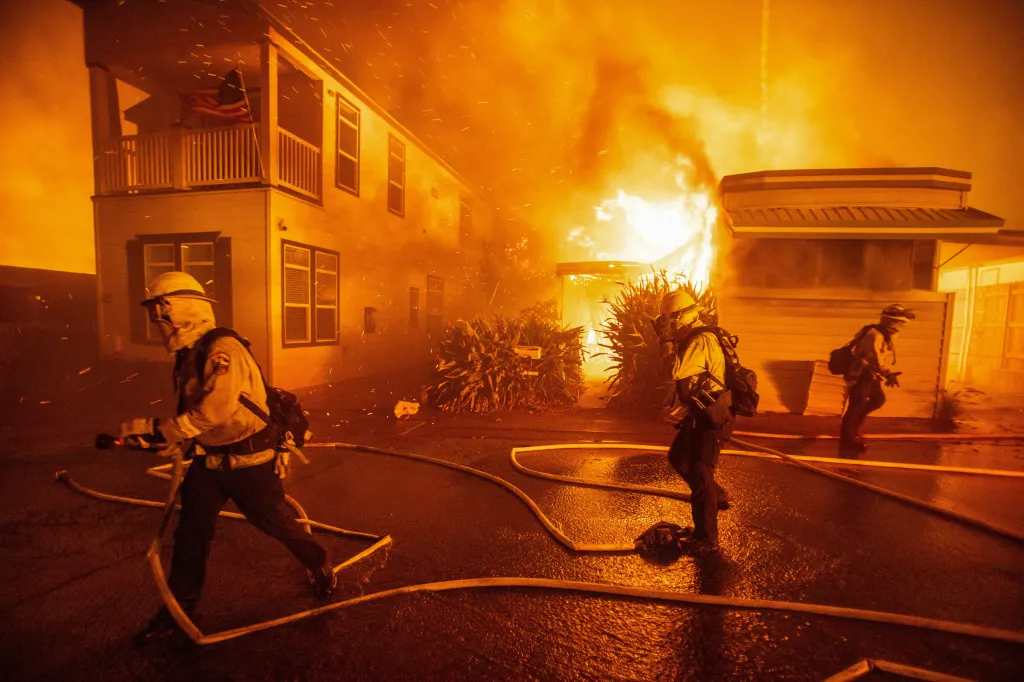
It is widely believed that the smoldering remnants of the Lachman Fire underground sparked the January 7 Palisades Fire, a blaze that ultimately incinerated a San Francisco-sized chunk of Los Angeles, including my childhood home in the Pacific Palisades.
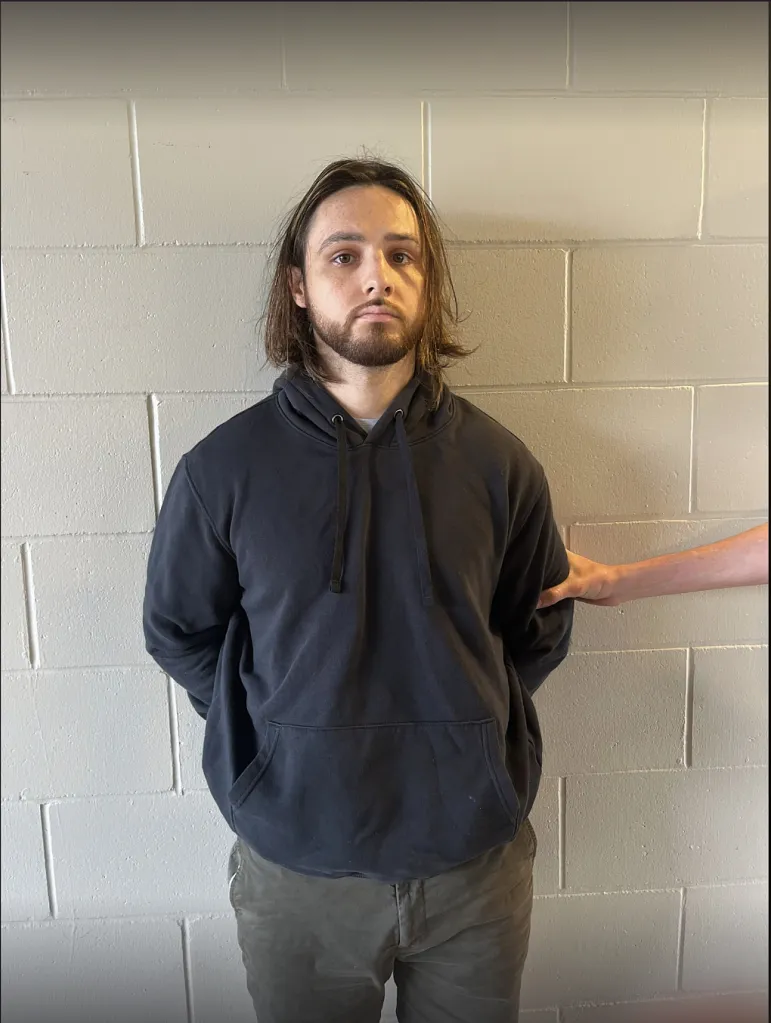
“The question at the time was who was responsible. And now we have the answer to that question,” said First Assistant U.S. Attorney Bill Essayli.
With all due respect to the federal prosecutor: That’s not quite correct. The responsibility for the worst urban wildfire in the city’s history doesn’t rest with one man.
This was Rinderknecht’s second trial. The first one opened the question of additional accountability. Jurors noted that the six days between the arson and the big inferno included a parade of government failures, especially the LA Fire Department’s failure to “mop up” and monitor the remnants of the Lachman Fire. That jury deadlocked at 10-2 in favor of acquittal, before the presiding judge declared a mistrial.
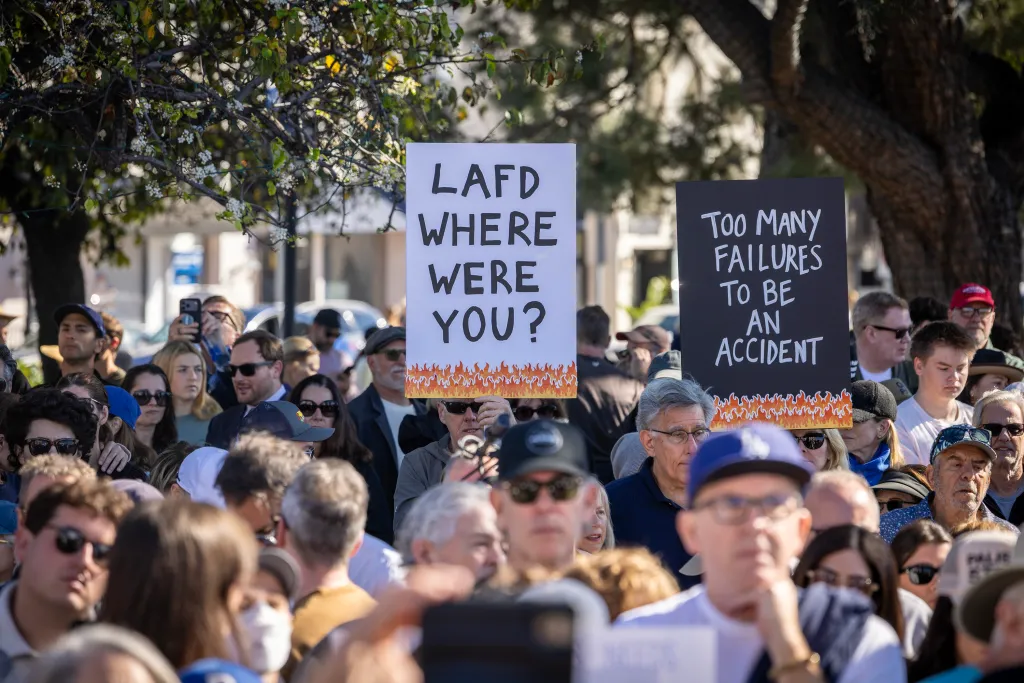
This time around, prosecutors tailored down the indictment, narrowing the destruction-of-property count just to the New Year’s Eve fire. They backed away from the theory that Rinderknecht had acted out of “class revenge,” which was a narrative they’d leaned on heavily in the first trial. They also avoided making the jury decide whether Rinderknecht, or government failures, were to blame for what happened in those intervening six days between the Lachman Fire and the Palisades Fire.
That strategy worked. Yet the people of Pacific Palisades will remain largely unmoved by the verdict. Decades’ worth of government failures were at least as consequential as some sad gig worker’s haphazard act of arson.
The list includes: the decision not to pre-position firefighters near the Lachman Fire burn scar, even after warnings of historically strong wind conditions; the sustained underinvestment in the Los Angeles firefighting corps, which has left the city with barely more firefighters than it had back in the 1960s; the punishing environmental policies that kept fuel building up in the Santa Monica Mountains for decades; the bureaucratic bungling that left a 117-million-gallon reservoir specifically designed to fight wildfires empty on January 7; the comically inept attempts to de-energize the Palisades power lines; and, as detailed in my documentary, the effective abandonment of Pacific Palisades on the second day of the fire, when something like a thousand additional structures burned down.
None of that was Rinderknecht’s fault. At least, not directly. People in charge made bad decisions.
The real chance for accountability — and the focus of my forthcoming follow-up documentary — is still working its way through the courts: a multibillion-dollar lawsuit filed by thousands of Palisades residents against the Los Angeles Department of Water and Power (LADWP), the City of Los Angeles, and the State of California.
That’s the case that matters, and the accountability spreads well beyond the easily meme-able celebrity politicians, deep into the opaque corridors of municipal government.
A loser armed with nothing more than a grill lighter was able to cause havoc in one of the most desirable neighborhoods in Los Angeles. But he didn’t burn down the town alone. And we’re still waiting for everyone else involved to be held to account.
Rob Montz is CEO of Good Kid Productions and the director of “The Untold Story of the Palisades Fire.”