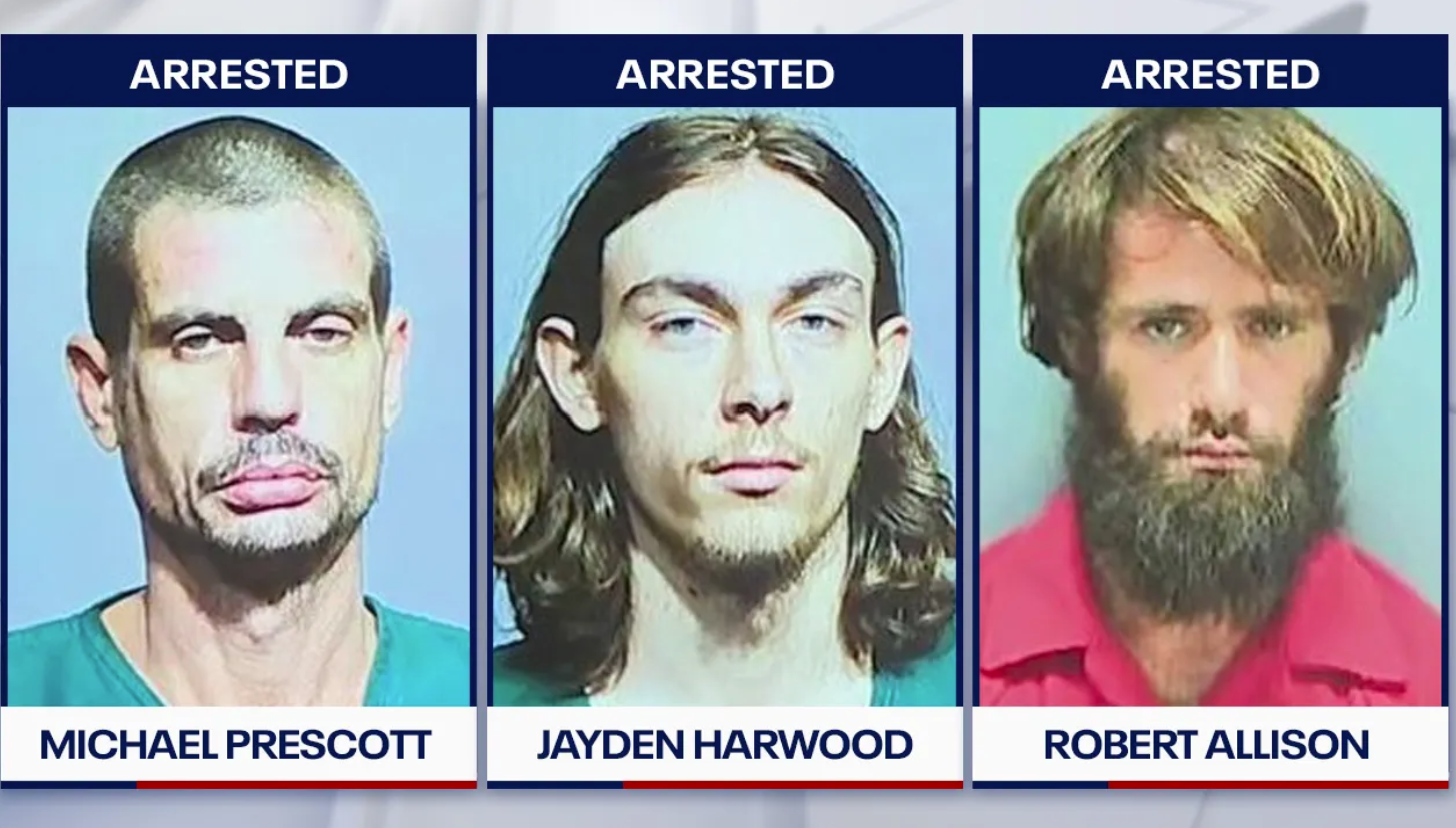
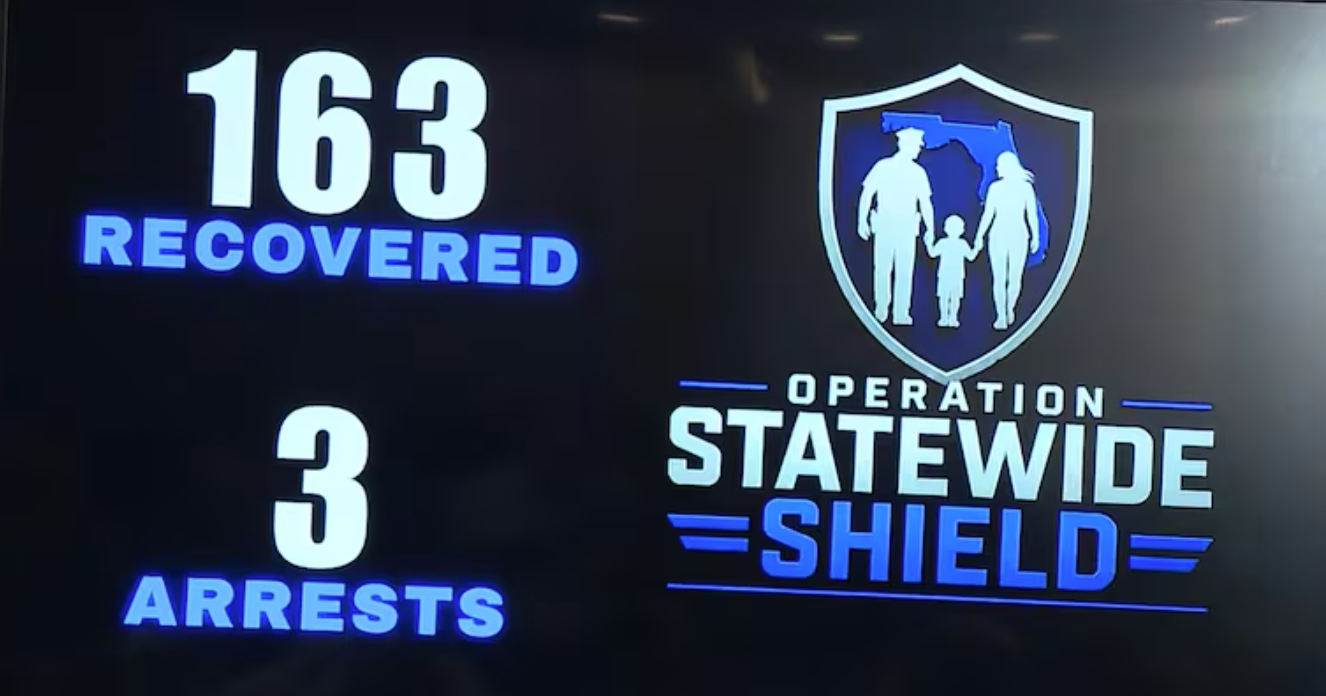
Operation Statewide Shield was sold to the public as a search, and the search was real. Over five days in mid-August 2026, from August 17 through August 21, Florida agencies working under the Florida Department of Law Enforcement and Attorney General James Uthmeier located 163 missing children ranging from two months old to seventeen. Sub-operations ran out of Pensacola, Tallahᴀssee, Jacksonville, Orlando, Tampa, Fort Myers and Miami. The Tampa Bay region accounted for 46 recoveries, Miami 41, Jacksonville 32, Orlando 21, Fort Myers 12, Pensacola 8 and Tallahᴀssee 3. Leads also reached six other states, Puerto Rico and twelve countries spanning five continents, including Alabama, California, Ohio, New York, North Carolina, Tennessee, Brazil, Canada, Colombia, Dominica, Finland, Ghana, Guatemala, Italy, Jamaica, Mexico, Spain and Taiwan. Officials called it Florida’s first statewide child-recovery initiative and the largest operation of its kind in state history. Those numbers traveled. Arrest pH๏τos traveled. The count of 163 traveled. What participating agencies spent almost as much time describing, and what the public has been slower to sit with, was the hour after a child was found.
Officials said recovered children who needed ᴀssistance were transported by local law enforcement to designated recovery hubs where social services, child-welfare professionals, medical providers, victim advocates and other child-centered resources were already waiting. That design was not an accessory. It was one of the operation’s stated purposes. FDLE said the initiative was developed with a specific goal of providing immediate access to child-focused services, not merely producing a count of located minors. The age range made that goal unavoidable. A two-month-old and a seventeen-year-old do not need the same intervention, the same interview protocol, the same medical screening or the same placement options. A child who has been neglected needs different first-line care than a child who has been Sєxually exploited. A runaway who left a dangerous home is not the same case as a child taken across a state line in a custody fight. The hubs existed so those differences could be sorted in a controlled setting instead of in the back of a patrol car or a chaotic precinct lobby. Officials were careful to say the 163 children were not all connected to one trafficking ring. Uthmeier said the reasons children were missing “really does run the gamut”: relatives in custody battles, foster-care 𝘢bu𝘴e, neglect and flight, drugs, pimps and trafficking rings. The public still does not have a complete published breakdown of how many of the 163 fell into each category. That absence matters, because it is the difference between a headline and a case plan.
In the Tampa Bay region, where 46 children were recovered, BayCare described a secure hub serving Hillsborough, Pasco, Pinellas and Polk counties. Staff provided medical screenings and behavioral-health support. Children were given blankets, clothing, snacks and personal-care items. Therapy dogs and trained professionals were used to reduce the shock of sudden contact with a large group of adults in uniform and lanyards. BayCare said it had ᴀssisted similar law-enforcement operations before and that its role was to bring pediatric and behavioral-health capacity into a mission that police agencies cannot staff alone. Tracey Kaly, BayCare Behavioral Health’s director of clinical operations, said the organization was proud to stand again with law-enforcement partners to care for vulnerable youth. Planning for that hub began weeks before the sweep and required coordination among behavioral-health, pediatric and emergency-room providers, security, lab technicians, environmental services, the Department of Children and Families and victim-advocacy groups. BayCare said its recovery-hub model, built from earlier missions, was used as a framework for hubs elsewhere in the state, with guidance shared with systems including Gulf Coast Kid’s House, AdventHealth and Palm Beach Children’s Hospital. Seven recovery hubs were described as stretching from Pensacola to Miami, including support from St. Mary’s Medical Center in Palm Beach County. The point of the architecture was simple and unglamorous: get a child out of the street, out of a motel, out of a relative’s car or a stranger’s apartment, and into a room where someone who is not holding a warrant can look at the child’s body, listen to the child’s account and decide what happens before midnight.
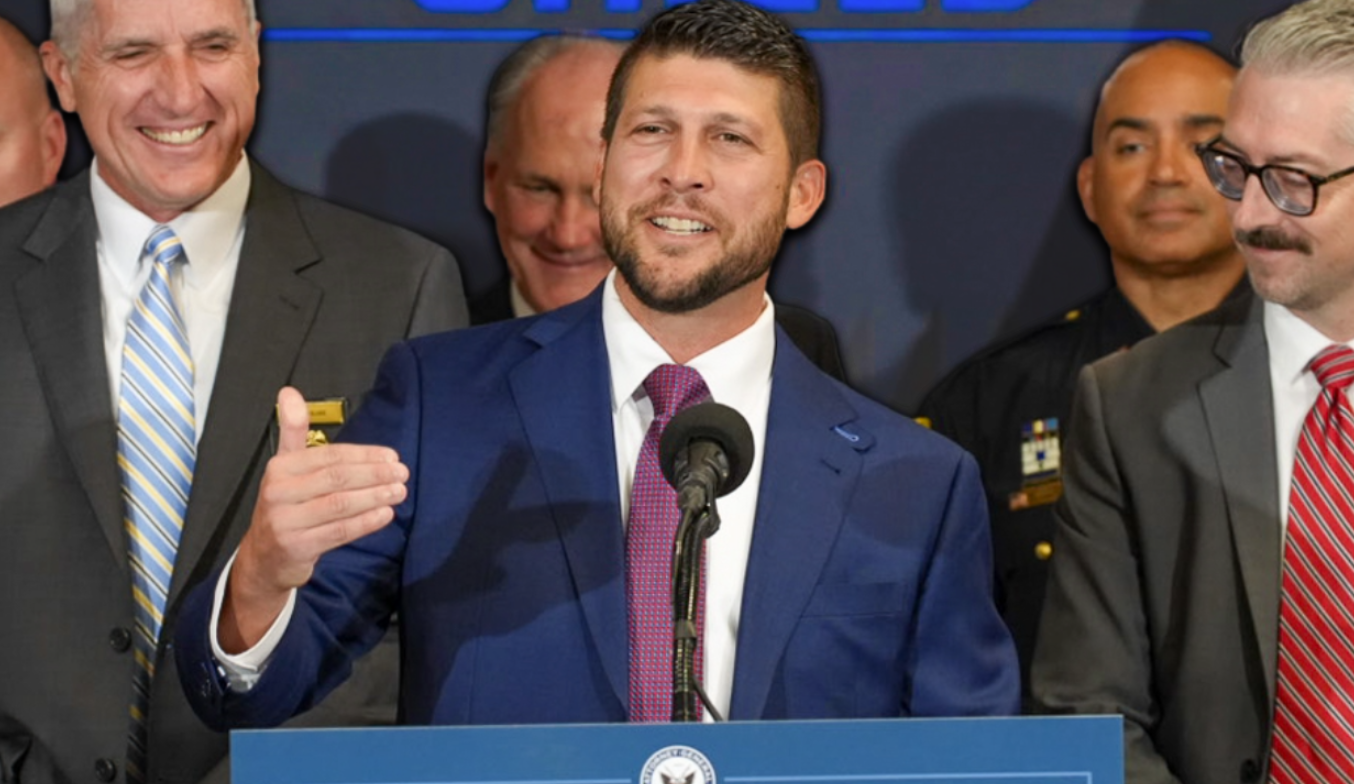
The aftercare story is also where the operation’s partnerships become more than a list of logos. The Florida Department of Children and Families and the Department of Juvenile Justice were inside the planning because a recovered child immediately becomes a child-welfare case, a possible dependency case, a possible delinquency case, or some combination of all three. Every recovery was documented through the Missing Endangered Persons Information Clearinghouse so missing-child reports could be formally closed. Nonprofits such as One More Child said they joined the effort to make sure children had access to care and resources from the moment they were found, and they noted from prior operations that a large share of recovered youth in this kind of work have trafficking histories; the organization estimated that more than 30 percent of children recovered in operations of this type have experienced human trafficking. The Florida Human Trafficking Victims Fund and groups such as More to Life were named among the organizations that helped shape the response. Faith organizations and private-sector partners were credited by DCF officials as part of the reason the operation could move children into services quickly. That language can sound ceremonial until it is placed against the raw numbers. One hundred sixty-three children in five days is too large a caseload for any single sheriff’s office to absorb if the only plan is “find them and figure out the rest later.” The hubs were the state’s attempt to prevent the second disappearance: the disappearance into untreated trauma, unstable housing, or a return to the same adults who failed the child the first time. Uthmeier acknowledged that reality in the same appearance where he celebrated the recoveries. He said many of the children had been victimized by people who prey on the most vulnerable. He also said that for many of them, life would not be the same and that they would need continued help, prayers and support. That is not the sentence of an official who believes a five-day sweep finishes the work.
Source: BBC News